The 2026 Chicago Marathon delivered a masterclass in road racing dominance as Adidas athletes swept the podium across the windy city streets. While tactical racing and relentless conditioning decided the final miles, the footwear on the pavement told its own story. The three stripes brand solidified its status as the premier force in modern marathon competition, setting a high standard for distance running innovation.
Adidas Dominates the 2026 Chicago Marathon Podium
The Chicago course is famous for flat roads and blistering paces, making it the ultimate proving ground for high-tier racing shoes. During the 2026 event, the lead packs stayed locked in step through the early splits before the decisive moves scattered the field in the final miles. When the finish line tape came into view on Columbus Drive, Adidas runners controlled both the men and women divisions.
This collective sweep was not an accident. Marathon racing at this level demands equipment that preserves leg turnover and delays muscular fatigue over twenty-six point two miles. Adidas showed that their investment in elite athlete feedback has yielded unmatched results on race day, breaking the traditional grip other heritage running brands once held over major world marathons.
Inside the Winning Footwear: The Adizero Adios Pro Evo Advantage
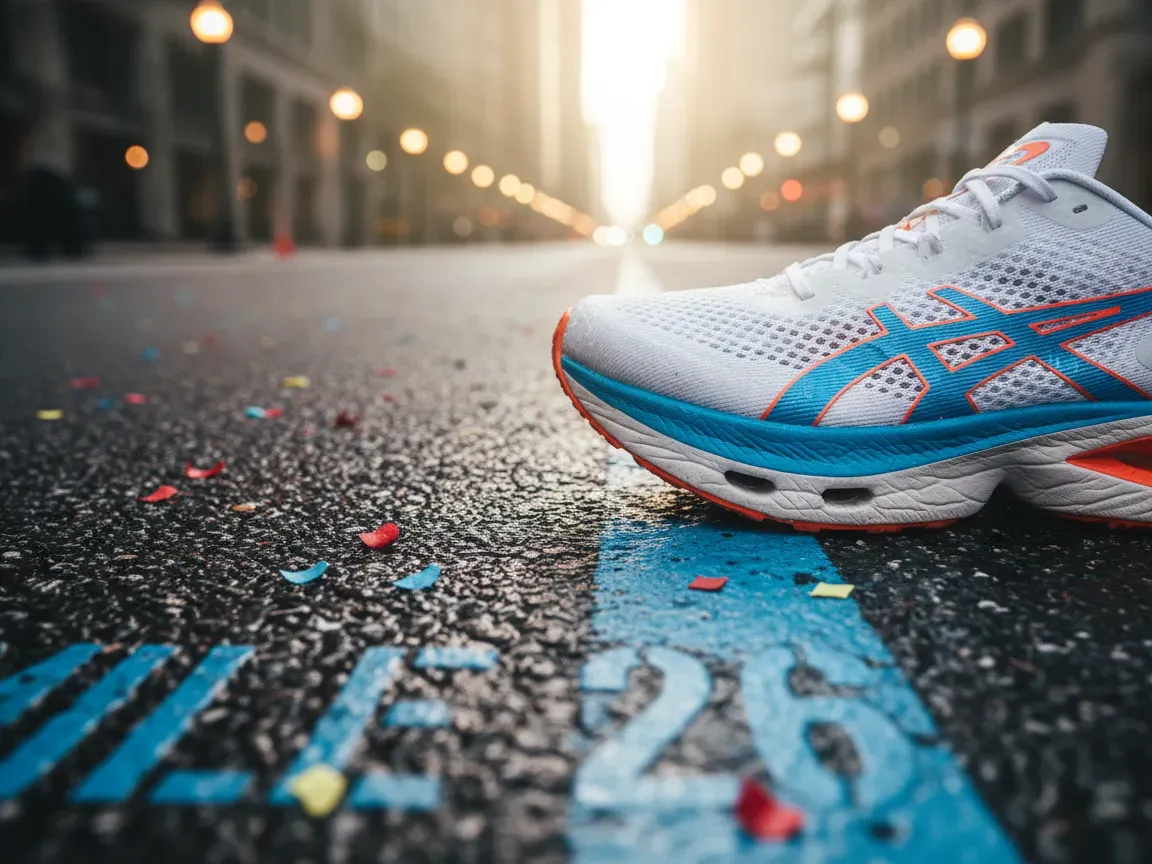
At the center of this podium triumph was the latest iteration in the Adizero Adios Pro Evo lineup. Designed with a singular focus on race day performance, these shoes strip away every non-essential gram while maintaining maximum stack height and legal bounce.
The standout characteristics of the Pro Evo design include:
- A featherlight mesh upper that locks the midfoot while shedding water and sweat
- A refined forefoot rocker profile optimized for rapid toe-off transitions
- A minimal rubber outsole compound mapped strictly to high-wear impact zones
- An ultra-light chassis that registers well below standard marathon racers
These design choices allow front-runners to sustain sub-five-minute miles with lower metabolic energy expenditure. By trimming weight without compromising structural stability, the shoes help maintain clean mechanics through the final, punishing miles.
Foam, Carbon, and Weight: The Tech Behind the Speed
The engineering equation that defines current super shoes rests on three pillars: midsole foam composition, internal stiffening structures, and gross weight. Adidas altered that equation by introducing an optimized variation of Lightstrike Pro foam. This supercritical foam delivers aggressive energy return while resisting compression breakdown over two hours of hard asphalt pounding.
Instead of a single curved carbon plate, the brand utilizes carbon-infused EnergyRods tuned to mimic the human foot metatarsal anatomy. This configuration provides directional stiffness rather than uniform rigidity. As the runner loads weight onto the ball of the foot, the rods flex and snap back, channeling propulsion straight ahead rather than deflecting laterally. Combined with an overall shoe weight that feels almost imperceptible, the runner expends less oxygen to cover the same distance.
Adidas vs. Nike and Saucony on Race Day
For years, the Nike Vaporfly and Alphafly lines owned marathon podiums worldwide, while Saucony carved out an elite reputation with the Endorphin series. The 2026 Chicago results show that the competitive balance has tilted.
While Nike relies heavily on full-length carbon plates combined with ZoomX foam and forefoot air pods, Adidas opted for structural simplicity and lower overall weight. Saucony delivers exceptional ride stability through balanced rocker geometry, but Adidas managed to create a faster transition off the forefoot with the Pro Evo platform.
Race-day splits confirmed that runners in the Adizero lineup maintained greater cadence consistency in the closing stages. The lighter overall setup reduced the penalty of leg swing weight, giving Adidas a measurable advantage over rivals on a fast, flat course.
Are Elite Super Shoes Worth the Price for Everyday Runners?
Watching elite competitors set records naturally tempts everyday runners to purchase the exact same pair. However, the commercial reality of pinnacle racing shoes presents a tough trade-off between price and durability.
The lightest models on the market retail at premium prices, often exceeding standard racing flats by hundreds of dollars. More importantly, these specialized shoes are engineered for an exceptionally short lifespan. Midsole foams compressed to extreme levels lose their pop faster, and featherweight outsole rubber wears down after limited road outings.
- Expect optimal race performance for only one or two marathon efforts
- Minimalist outsoles provide less traction on slick or uneven city streets
- Stripped-down upper fabrics offer little cushion around the ankle collar
- Premium retail pricing creates a high cost per mile compared to standard trainers
For athletes chasing Boston qualifiers or ambitious personal bests, that marginal advantage may be worth every cent. For casual participants running for completion and general fitness, the diminishing returns make top-tier shoes an expensive luxury.
Choosing the Right Long-Distance Racing Shoe for Your Next PR
Selecting a marathon shoe comes down to matching your mechanics and target pace with the right balance of stability and bounce. While the fastest runners in Chicago favor ultra-lightweight designs, runners who spend three and a half to five hours on the road have different physiological demands.
Standard super shoes like the retail-grade Adios Pro, Nike Vaporfly, or Saucony Endorphin Pro provide a more forgiving platform than the stripped-down athlete editions. These mainstream options include thicker rubber outsoles, supportive heel counters, and slightly denser foam formulations that remain stable when running form inevitably breaks down in the final miles. Testing shoes during long tempo runs remains the only reliable way to confirm how a carbon plate interacts with your unique foot strike.
What Chicago Taught Us About the Next Era of Racing Shoes?
The clean sweep in Chicago marks a turning point where shoe weight matters just as much as stack height and energy return. For the past decade, brands competed almost entirely on how thick and bouncy they could build midsoles under global racing rules. Today, the race is won by the engineering team that can preserve that bounce while shaving ounces off the scale.
For dedicated marathoners preparing for their next training block, this technological arms race brings good news. The radical materials and aerodynamic designs tested by champions in Chicago will gradually filter down into more durable, accessible running shoes. Whether you aim to break three hours or simply cross the finish line upright, the gap between elite engineering and everyday road running is closing faster than ever.