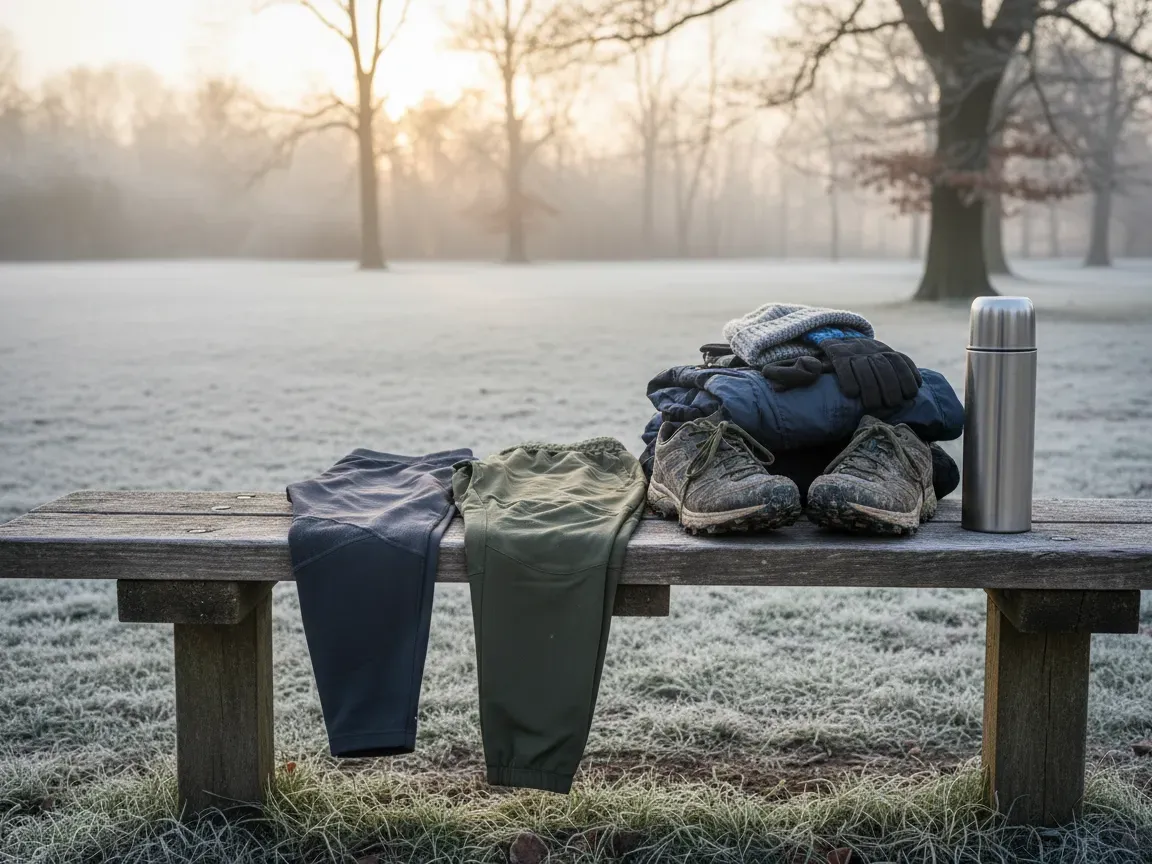
Stepping out for a run in sub-freezing temperatures requires the right barrier between your legs and the biting wind. The ideal cold-weather running pants keep your muscles warm, prevent sweat from turning icy against your skin, and give your knees full range of motion. Upgrading from standard sweatpants to technical running bottoms transforms miserable winter workouts into comfortable training sessions.
What to Look for in Winter Running Pants?
Thermal regulation is the top priority when the forecast dips below freezing. Quality winter bottoms use brushed fleece interiors that trap body heat without adding bulky weight. At the same time, the exterior must feature moisture-wicking synthetic fibers like polyester, nylon, and elastane. If your pants hold onto sweat, you will cool down too rapidly during recovery intervals or water breaks.
Fit and flexibility dictate how natural your stride feels over long distances. Look for articulated knees and gusseted crotches that prevent pulling across the quads. Waistbands should be wide, flat, and equipped with a dependable internal drawcord so the pants stay put regardless of what you carry in your pockets.
Tights vs. Joggers: Which Style Fits Your Stride?
The debate between compression tights and tapered joggers usually comes down to running intensity and wind chill. Neither style is universally better, but each serves a clear purpose on the road:
- Running tights fit like a second skin, eliminating excess fabric that can catch the wind or cause inner-thigh chafing. They excel in harsh wind and near-zero conditions because they minimize cold air pockets next to your skin.
- Technical joggers offer a relaxed, casual cut around the hips and thighs with a sharp taper toward the ankles. They provide better versatility if you want a pair you can wear into a coffee shop after a track workout, and they allow for an extra base layer underneath when temperatures plunge.
Runners tackling faster tempo workouts often favor tights for minimal aerodynamic drag. If you prioritize easy comfort, casual utility, and modest coverage, tapered joggers are the way to go.
Top 10 Men’s Running Pants for Cold Weather
Finding the right pair depends on whether your main challenge is bitter wind, wet snow, or deep freezes. Here are ten top performers designed to handle winter miles:
- Nike Therma-FIT Phenom Elite: A hybrid pant featuring thermal fabric in high-chill zones and lightweight stretch along the calves for rapid turnover.
- Brooks Momentum Thermal Pants: Built with DriLayer Threshold fabric, these pants deliver exceptional warmth for frosty morning road miles without overheating.
- Under Armour ColdGear Reactor Run Pants: These bottoms adapt to your effort level, dumping excess heat during hard climbs while blocking icy gusts on descents.
- Lululemon Surge Hybrid Pant: Known for exceptional stretch and water-repellent panels, this option excels for runners who dislike tight-feeling ankles.
- Craft ADV SubZ Wind Pants 2: Designed specifically for sub-freezing Scandinavian climates, featuring a windproof front panel and ventilated back.
- Tracksmith Turnover Tights: Crafted from premium Italian Inverno blend, offering unmatched softness, light water resistance, and classic styling.
- Saucony Boston Pant: A reliable, relaxed-fit option that easily slips over running shorts and offers ample warmth down into the twenties.
- The North Face Winter Warm Tights: These combine wind-resistant WindWall overlays on the thighs with high-stretch fleece for technical trail running.
- Rabbit EZ Pants: The go-to choice for recovery runs in brisk conditions, focusing on cloud-like fabric feel and simple utility.
- Gore Wear R5 Windstopper Pants: Purpose-built for extreme wind and light precipitation, blocking gusts completely while maintaining breathability.
Key Features: Weatherproofing, Visibility, and Storage
Winter running conditions demand technical features that basic gym wear lacks entirely. A quality pair must protect you from low visibility and foul weather:
- Weather-resistant paneling: Many top-tier running bottoms feature durable water repellent (DWR) coatings or softshell membranes across the thighs and shins. This blocks sleet, kicked-up snow, and freezing headwinds where your legs take the hardest hit.
- 360-degree reflectivity: Shorter winter days mean logging miles in dim dawn or total dusk. Reflective strips along the calves, ankles, and logos catch vehicle headlights to keep you safe on shoulder-less roads.
- Bounceless storage: A secure, zippered rear center pocket keeps your smartphone stable against your lower back, protecting the battery from cold-induced drain. Side drop-in pockets allow quick access to gels or gloves.
- Ankle zippers: Zippers along the lower leg let you put on or remove pants without taking off muddy running shoes, which is critical when warming up at a snowy trailhead.
How to Layer Running Pants for Freezing Temperatures?
Layering your lower body requires balance because your legs generate substantial heat through continuous movement. For temperatures between 35 and 45 degrees Fahrenheit, a single pair of unlined running joggers or medium-weight tights is usually enough.
When temperatures fall between 20 and 32 degrees, switch to fleece-lined tights or pants with targeted windproof panels. If the thermometer drops into the single digits or wind chill becomes severe, combine thin moisture-wicking base tights underneath relaxed, wind-blocking joggers. This creates a pocket of trapped warm air while stopping icy air currents from penetrating to your skin.
Final Gear Checklist for Conquering Cold Miles
Investing in the right cold-weather gear removes the friction of stepping out into freezing weather. Keep these guidelines in mind before locking in your winter wardrobe:
- Match insulation weight to your typical winter weather rather than extreme anomalies.
- Test pocket placement with your actual phone to ensure no annoying bouncing occurs mid-stride.
- Check that ankle cuffs sit cleanly above your socks to prevent cold gaps.
- Prioritize breathability over heavy waterproofing if you run in dry, cold climates.
Choosing the Right Pair for Your Winter Training
Winter consistency comes down to removing excuses before you lace up your shoes. When your legs stay warm without overheating, wet roads and falling temperatures stop dictating whether you complete your training block. Choosing between streamlined tights and versatile joggers depends on whether you value pure aerodynamic performance or casual versatility.
Take stock of your local conditions, note where the wind hits you hardest on your favorite loop, and select a pair with the right mix of thermal blocking and ventilation. Once your lower half is protected against the chill, logging winter miles feels just as rewarding as running through crisp autumn air.